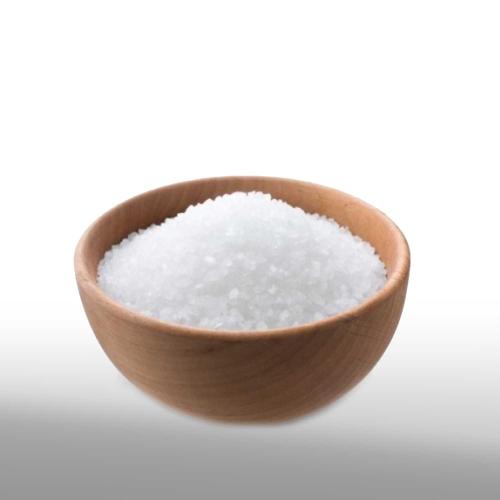
Sea salt is made by evaporating salt water. People around the world have used it since prehistoric times, and it’s commonly found in many kitchens today.
Aside from its culinary uses, sea salt is often added to body scrubs, baths, beverages, and countless other products.
Some people believe it’s healthier than other types of salt and provides several benefits, but there is little research to back these claims.
Compared with table salt, sea salt is less processed, contains more trace nutrients, and has a larger particle size, a characteristic that explains why it contains less sodium per teaspoon. However, these differences do not make it nutritionally superior.
Getting enough sodium, regardless of the type of salt it’s from, is important for hydration and blood pressure. Some research suggests it may also aid digestion and improve skin issues when added to baths.
Consuming too much salt of any kind, including sea salt, can result in excessive sodium intake, which has been linked to high blood pressure and other health issues.
You can use sea salt in place of other salts in most recipes, including meat dishes, vegetables, and desserts. Some people also like to add it to their baths.
The non-culinary uses of sea salt, such as adding it to your bath, may improve skin health and provide other benefits. However, no strong research supports the many health claims associated with it.
1. Sea salt is made by evaporating salt water.
2. Sea salt is less processed
3. Sea salt contains more trace nutrients, and has a larger particle size, a characteristic that explains why it contains less sodium per teaspoon.
4. No artificial colours and preservatives
5. Sea salt can be used in place of other salts in most recipes, including meat dishes, vegetables, and desserts.
6. Some people also like to add it to their baths
7. The non-culinary uses of sea salt, such as adding it to your bath, may improve skin health and provide other benefits
8. Overall, you can use sea salt in many ways, but it should not be considered a health remedy
Orders are processed within 24to48 working hours, excluding Sundays and public holidays. Once dispatched, you will receive an email containing your tracking link to monitor the shipment. Estimated delivery within India is 2to5 business days. COD orders require confirmation within 48 hours, else canceled. Prepaid orders ship immediately. International shipping flat INR 4500 per order.
Report damaged/incorrect/defective items within 24to72 hours to [email protected] with photos/unboxing video. Refunds or replacements processed after inspection.
All returns must be unused, original packaging, tags intact. Shipping charges deducted.
Note: No returns for customized, spiritually activated items, or gold/silver jewelry. Refunds in 5to7 business days after inspection.

Sea salt is made by evaporating salt water. People around the world have used it since prehistoric times, and it’s commonly found in many kitchens today.
Aside from its culinary uses, sea salt is often added to body scrubs, baths, beverages, and countless other products.
Some people believe it’s healthier than other types of salt and provides several benefits, but there is little research to back these claims.
Compared with table salt, sea salt is less processed, contains more trace nutrients, and has a larger particle size, a characteristic that explains why it contains less sodium per teaspoon. However, these differences do not make it nutritionally superior.
Getting enough sodium, regardless of the type of salt it’s from, is important for hydration and blood pressure. Some research suggests it may also aid digestion and improve skin issues when added to baths.
Consuming too much salt of any kind, including sea salt, can result in excessive sodium intake, which has been linked to high blood pressure and other health issues.
You can use sea salt in place of other salts in most recipes, including meat dishes, vegetables, and desserts. Some people also like to add it to their baths.
The non-culinary uses of sea salt, such as adding it to your bath, may improve skin health and provide other benefits. However, no strong research supports the many health claims associated with it.
1. Sea salt is made by evaporating salt water.
2. Sea salt is less processed
3. Sea salt contains more trace nutrients, and has a larger particle size, a characteristic that explains why it contains less sodium per teaspoon.
4. No artificial colours and preservatives
5. Sea salt can be used in place of other salts in most recipes, including meat dishes, vegetables, and desserts.
6. Some people also like to add it to their baths
7. The non-culinary uses of sea salt, such as adding it to your bath, may improve skin health and provide other benefits
8. Overall, you can use sea salt in many ways, but it should not be considered a health remedy
Orders are processed within 24to48 working hours, excluding Sundays and public holidays. Once dispatched, you will receive an email containing your tracking link. Estimated delivery within India is 2to5 business days. COD orders require confirmation within 48 hours, else canceled. Prepaid orders ship immediately. International shipping flat INR 4500 per order.
Report damaged/incorrect/defective items within 24to72 hours to [email protected] with photos/unboxing video. Refunds or replacements processed after inspection.
All returns must be unused, original packaging, tags intact. Shipping charges deducted.
Note: No returns for customized, spiritually activated items, or gold/silver jewelry. Refunds in 5to7 business days after inspection.
Based on 0 reviews & Ratings.
Have you used this product?
© 2026 Copyright Avika. All Right Reserved.